
Introduction:
The convergence of uncertainty and change has shaped the global textile industry in 2025. What started out as a year of cautious optimism turned into a complicated time characterized by geopolitical upheavals, trade tensions, tariff realignments, and tightening regulations in important consumer markets.
However, the industry also saw structural changes as a result of these pressures, including supply-chain diversification and new investments in technology, sustainability, and local manufacturing power. The Indian textile industry has been part of this transformation, reflecting these global shifts. Building future-ready supply chains that are robust, transparent, and in line with long-term global demand patterns is becoming more important as the industry looks to 2026 rather than just focusing on short-term recovery for the Indian textile industry.
The global textile industry in 2025: A year of adjustment and realignment
For the global textile and clothing industry, 2025 proved to be a pivotal year. Governments reevaluated import dependencies and adjusted trade policies as a result of the growing influence of geopolitical factors on international trade flows. Traditional purchasing practices were changed by increased scrutiny of sourcing locations and changing international trade tariffs.
Tariff-related disruptions affected cost competitiveness and compelled exporters to modify pricing models, especially in the Indo-American textile trade. Global trade operations became more complex at the same time as regulations pertaining to labour standards, environmental compliance, and traceability tightened. 2025 demonstrated the industry’s ability to adjust in spite of these difficulties.
Retailers and brands increased their efforts to diversify global supply chains and lessen their dependence on particular regions. Opportunities for manufacturing hubs that could provide scale, consistency, and compliance were made possible by this strategic change.
Positive developments that shaped 2025:
While external pressures persisted, several positive trends stabilized the global textile market in 2025. Demand recovery in selective regions, particularly in home textiles, technical textiles, and value-added apparel, supported production momentum.
Sustainability moved decisively from differentiation to expectation. Buyers increasingly prioritized suppliers demonstrating measurable progress in sustainable textile manufacturing, renewable energy adoption and responsible sourcing.
Circularity, traceability and transparency emerged as central to buyer confidence. Technological adoption also accelerated. Automation, digital process control and data-driven planning enabled manufacturers to improve efficiency while managing rising costs. These shifts reinforced a move toward long-term partnerships rather than transactional
sourcing relationships.
India’s textile industry in 2025: Resilience amid global headwinds
The convergence of uncertainty and change has shaped the global textile industry in 2025. What started out as a year of cautious optimism turned into a complicated time characterized by geopolitical upheavals, trade tensions, tariff realignments, and tightening regulations in important consumer markets. However, the industry also saw structural changes as a result of these pressures, including supply-chain diversification and new investments in technology, sustainability, and local manufacturing power, including within the Indian textile industry.
Building future-ready supply chains that are robust, transparent, and in line with long-term global demand patterns is becoming more important as the industry looks to 2026 rather than just focusing on short-term recovery for the Indian textile industry.
Industry perspective: Navigating change with strategy and scale
Reflecting on the evolving landscape, Mr. Rajeev Gupta, Joint Managing Director, RSWM Ltd, shares a forward-looking view:
“As we close a defining year for the global textile industry, there is a clear sense of consolidation and course correction across markets. Ongoing trade discussions, evolving tariff structures, and tighter global demand have prompted brands and manufacturers to reassess sourcing strategies, with greater emphasis on reliability, compliance, and long-term partnerships.
For Indian textiles, this has translated into stronger interest from global buyers looking to diversify supply chains and work with manufacturers who can offer scale along with consistency and responsible practices.
RSWM has been a significant part of the Indian textile journey, having continued with its resilient performance and a sharp focus on sustainability and operational improvement, and our progress has been underpinned by award-winning sustainability initiatives and textile innovations, along with strategic collaborations and partnerships.”
“Looking ahead, the outlook remains positive and pragmatic. India’s strengths in integrated manufacturing, sustainability-led production, and product innovation are becoming increasingly relevant in the global context. Platforms such as Bharat Tex will play an important role in showcasing these capabilities and reinforcing India’s position as a competitive, future-ready sourcing hub. As a responsible brand in the textile space, RSWM is poised to accelerate profitable growth by scaling sustainable textiles, deepening renewable energy adoption, and strengthening our position as a global, future-ready textile solutions provider.
With continued focus on operational efficiency, technology adoption, and skill development, we will partner with the government, industry, and ecosystem players to navigate near-term challenges and build steady, long-term growth.”
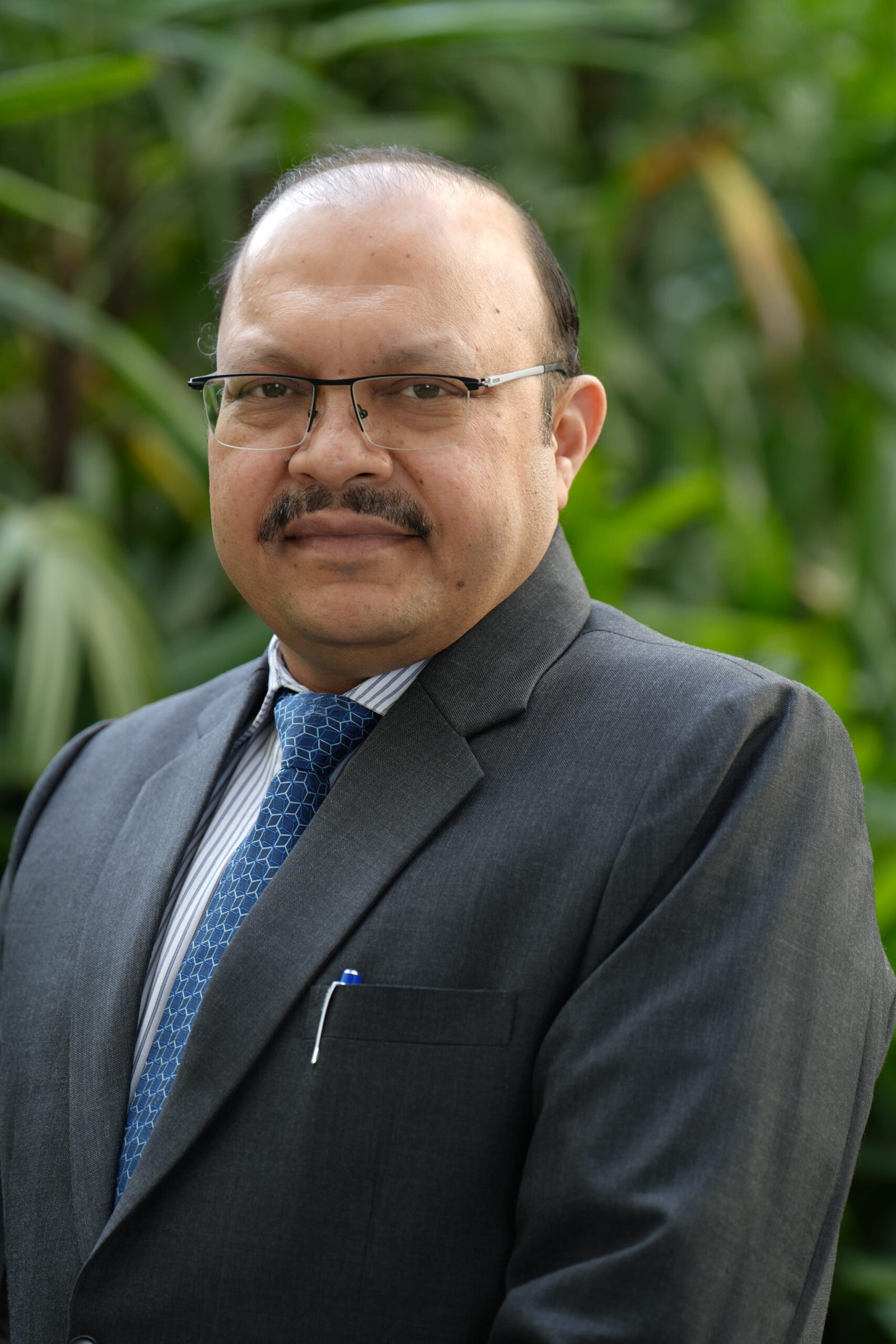
Mr. Rajeev’s observations capture the deeper structural shift underway in the global textile ecosystem. His emphasis on consolidation, sustainability, and long-term partnerships reflects a clear departure from volume-driven, cost-centric sourcing toward a more strategic and resilient model.
Looking ahead to 2026: Opportunities and emerging dynamics
The textile industry outlook for 2026 reflects cautious optimism as the sector transitions from adjustment to strategic realignment. As global economic conditions gradually stabilize and consumer preferences evolve toward value, durability and sustainability, demand is expected to normalize across key segments, including apparel, home textiles, and technical textiles.
However, volatility will remain a defining feature, requiring manufacturers to adopt agile production models, flexible sourcing strategies, and data-driven decision-making. A defining development for 2026 will be the continued regionalization of global supply chains.
Buyers are increasingly prioritizing sourcing partners located in politically stable regions with strong infrastructure, predictable policy environments, and high compliance standards. This shift creates fresh opportunities for countries that can offer scale alongside transparency and reliability. India is well positioned to benefit from this transition, supported by its integrated textile ecosystem, expanding man-made fiber capacity, and growing expertise in technical and functional textiles.
Increased focus on renewable energy adoption, digital traceability, and circular manufacturing models will further strengthen India’s competitiveness in global sourcing decisions.
At the same time, innovation-led growth will emerge as a key differentiator. Advancements in automation, smart manufacturing, sustainable materials, and fiber innovation will enable manufacturers to improve efficiency while responding to tightening environmental regulations and buyer expectations.
Trade shows and industry platforms: Catalysts for 2026
Industry platforms will play a pivotal role in shaping collaboration, investment, and sourcing decisions in 2026. Bharat Tex 2026 is expected to serve as a comprehensive global showcase for India’s manufacturing depth, sustainability initiatives and product innovation across the textile value chain.
Complementing this, India ITME 2026 will spotlight advanced machinery, digital technologies, and next-generation manufacturing solutions, accelerating the industry’s shift toward automation, productivity, and global competitiveness. Together, these platforms will deepen global engagement, facilitate partnerships, and reinforce India’s standing as a strategic textile destination.
Challenges shaping the road ahead
Despite expanding opportunities, the global textile industry will continue to navigate significant challenges, including persistent tariff uncertainty, ongoing geopolitical disruptions impacting logistics, rising input and compliance costs, and intensifying competition among sourcing destinations.
Balancing cost competitiveness with sustainability investments will remain a critical pressure point, particularly for export-oriented manufacturers. Addressing these challenges will require coordinated action between industry stakeholders, policymakers, technology providers and trade bodies.
Conclusion: From turbulence to transformation
The period spanning 2025–26 represents a decisive transition for the global textile industry. While trade turbulence and geopolitical complexity have tested resilience, they have also accelerated structural transformation across supply chains, sourcing strategies, and manufacturing priorities.
For India, the path forward lies in leveraging scale, deepening sustainability credentials, embracing technology, and fostering long-term global partnerships.
With a clear strategic vision and continued investment in innovation and compliance.
the Indian textile sector is positioned not merely to withstand disruption but to play a central role in anchoring future-ready, resilient global supply chains in the years ahead.
FAQs:
Q: Which are the positive developments in global textile industry in the year 2025?
Ans: Demand recovery in selective regions, particularly in home textiles, technical textiles, and value-added apparel, supported production momentum. Circularity, traceability, and transparency emerged as central to buyer confidence. Technological adoption also accelerated. Automation, digital process control, and data-driven planning enabled manufacturers to improve efficiency while managing rising costs.
These are a few of the many positive aspects for the global textile industry in the year 2025, including within the Indian textile industry.
Q: How was Indian textile industry in the year 2025?
Ans: For the Indian textile industry, 2025 delivered mixed outcomes but growing strategic relevance. India gained traction due to its integrated manufacturing ecosystem, scale across the value chain, and improving compliance standards. Tariff-related issues, operational strain by rising input costs, currency volatility, irregular global demand cycles etc. are the difficulties. Despite short-term volatility, investments in value-added segments, technical textiles, and synthetic fibers positioned the sector for medium-term growth.
Q: Which are the top trade shows in India in 2026?
Ans: Bharat Tex 2026 and India ITME 2026 are few of the top upcoming trade shows in India in the year 2026.

