
Conversation with Mr. Vijay Kumar Agarwal, Chairman, The Cotton Textiles Export Promotion Council (TEXPROCIL)

An intro of TEXPROCIL and Mr. Vijay Kumar Agarwal
Established in 1954 as the first Export Promotion Council after Independence, the Cotton Textiles Export Promotion Council (TEXPROCIL) is an autonomous, non-profit body of the Government of India dedicated to promoting cotton textile exports. As the international face of India’s cotton textiles, TEXPROCIL facilitates exports worldwide and represents around 2,000 member companies across major textile clusters. Its members are leading manufacturers and exporters of cotton, yarns, fabrics, and home textiles, spanning the entire value chain. TEXPROCIL has played a pivotal role in positioning India as a reliable global source of cotton textiles, reflected in rising export volumes and diversified international markets.
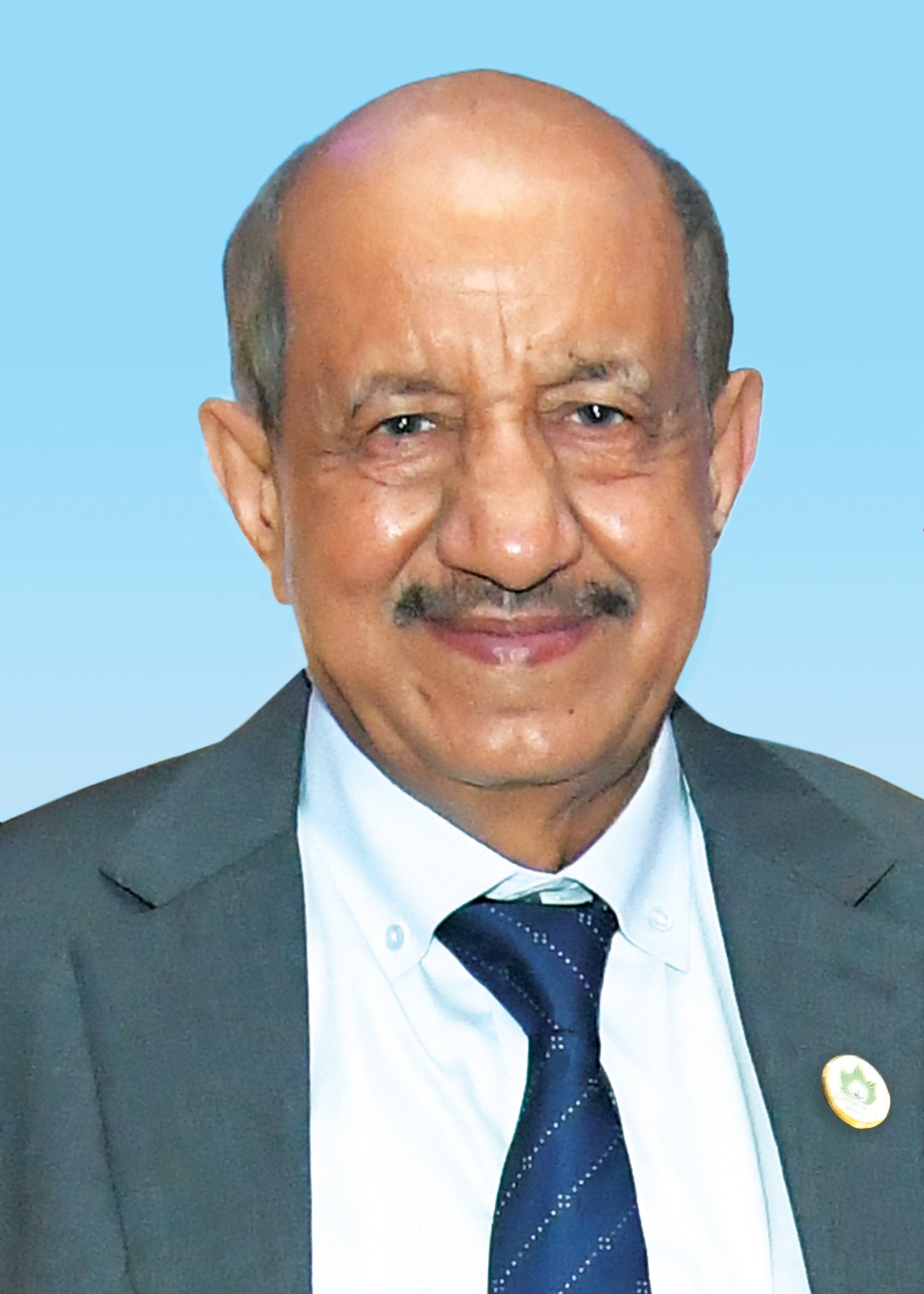
Mr. Vijay Kumar Agarwal is the Founder, Promoter, and Chairman of the Creative Group, with over five decades of experience in the manufacture and export of ready-made garments since 1974. An engineer and alumnus of VJTI, he led the Group’s strategic backward integration from 1995, establishing capabilities in fabric and knitted fabric manufacturing, yarn processing, embroidery, and printing. Under his leadership, the Group also diversified into made-ups and home textiles, exporting to leading buyers in the USA and Europe.
He has extensive global exposure, having travelled widely for business promotion, and has been part of several official delegations of the Ministries of Commerce and Textiles to countries including Japan, the USA, and China. A long-serving member of the Executive Committee of the Apparel Export Promotion Council (AEPC) for over 20 years, he chaired several key committees and served as Chairman of AEPC during 2006–07. Actively involved in social and charitable initiatives, he supports educational institutions across India. Mr. Agarwal currently serves as Chairman of the Cotton Textiles Export Promotion Council (TEXPROCIL).
TextilesResources.com: TEXPROCIL has played a pivotal role in promoting India’s cotton textiles on the global stage. How do you envision the Council’s strategic contribution to the upcoming third edition of Bharat Tex in 2026?
Mr. Vijay Kumar Agarwal: The upcoming third edition of Bharat Tex 2026 presents a timely opportunity for TEXPROCIL to further reinforce India’s position as a trusted and comprehensive global sourcing hub for cotton textiles. The Council’s strategic contribution will focus on curating a strong and diversified cotton textiles presence across the value chain—cotton, yarns, fabrics, made-ups, and home textiles—highlighting India’s scale, quality and reliability.
As an apex member in the Bharat Tex Textile Federation – the consortium of 11 Textile EPCs, TEXPROCIL has been playing a key role in organizing the exhibition. This involves mobilising leading exporters from major textile clusters, facilitating structured B2B engagements with high-quality international buyers, and supporting focused buyer delegations from priority markets. For the upcoming third edition, special emphasis will be placed on sustainability, traceability, and value-added cotton products, including initiatives such as Kasturi Cotton, aligned with evolving global compliance and branding requirements.
Further, through knowledge sessions, policy dialogues, and close coordination with the Government and other EPCs, TEXPROCIL aims to position Bharat Tex 2026 not merely as an exhibition, but as a strategic platform for long-term trade partnerships, market diversification, and enhanced global visibility for Indian cotton textiles.
TextilesResources.com: Cotton textiles remain one of India’s strongest export segments. How do you assess India’s current competitiveness in the global market, especially amid changing sourcing patterns and supply chain realignments?
Mr. Vijay Kumar Agarwal: India’s competitiveness in cotton textiles remains strong, supported by a fully integrated value chain, large manufacturing capacity, and reliable availability of cotton. Few countries can match India’s ability to offer end-to-end solutions—from fibre and yarn to fabrics, made-ups, and home textiles—at scale.
Global sourcing realignments and “China+1” strategies have further enhanced India’s appeal as a stable and dependable partner. Strengths in design, product development, and flexible manufacturing add to this advantage. However, challenges persist in the form of higher costs, logistics constraints, tariff disadvantages in key markets, and rising sustainability and compliance requirements. Going forward, addressing the diversification and competitiveness challenges through technology upgradation, productivity gains, branding initiatives such as Kasturi Cotton, and supportive trade policies will be critical to sustaining and expanding India’s global market share.
TextilesResources.com: What are the key outcomes TEXPROCIL expects from Bharat Tex 2026 in terms of business generation, buyer engagement, and strengthening India’s cotton textile positioning?
Mr. Vijay Kumar Agarwal: From TEXPROCIL’s perspective, Bharat Tex 2026 is aimed at delivering tangible business outcomes through increased order bookings and sustained follow-up engagements with quality international buyers. A key focus will be on structured B2B interactions that deepen buyer confidence and foster long-term sourcing partnerships.
Equally, the event is expected to strengthen India’s global positioning in cotton textiles by showcasing the full value chain, sustainability and traceability initiatives such as Kasturi Cotton, and India’s capability to offer reliable, value-added, and future-ready cotton textile solutions.
TextilesResources.com: Kasturi Cotton has emerged as a significant branding initiative. How will TEXPROCIL showcase its progress and strengthen global buyer confidence at the upcoming show?
Mr. Vijay Kumar Agarwal: At Bharat Tex 2026, TEXPROCIL will position Kasturi Cotton as a credible, differentiated global brand by clearly demonstrating its progress in quality, certification, traceability and sustainability. Dedicated showcases will highlight the Kasturi Cotton journey—from farm to finished products—underscoring transparency, authenticity, and consistency.
The Council will facilitate buyer interactions with certified Kasturi Cotton suppliers, supported by technical presentations, product displays, and case studies of successful exports. By aligning Kasturi Cotton with global sustainability, ESG, and compliance expectations, TEXPROCIL aims to reinforce buyer confidence and establish Kasturi Cotton as a trusted benchmark for premium Indian cotton in international markets.
TextilesResources.com: Beyond branding, premium cotton relies on traceability and farmer inclusion. What mechanisms are being put in place to ensure price benefits and participation for smallholders under Kasturi Cotton?
Mr. Vijay Kumar Agarwal: Under the Kasturi Cotton programme, strong emphasis is being placed on building a transparent and inclusive ecosystem that benefits all participants in the value chain. The Kasturi Cotton initiative strengthens all stakeholders including smaller entities by providing access to a common, robust traceability platform that is future ready and comes bundled into the initiative. The branding of Kasturi Cotton in both the domestic and the international market place ensure greater visibility and acceptance of the brand and extends its appeal to all products that utilise Kasturi Cotton in its production.
Kasturi Cotton undertakes continuous capacity-building initiatives including training on quality parameters, contamination control, sustainable farming and other best practices that enable smallholders to produce cotton that meets the Kasturi Cotton standard. By creating awareness through these sessions and through widespread publicity the Kasturi Cotton initiative gives farmers access to markets that value their superior produce thereby enabling them to get better remuneration for their cotton. By combining traceability, quality incentives, and institutional linkages, Kasturi Cotton aims to deliver both premium positioning in global markets and tangible economic gains for farmers.
TextilesResources.com: Cotton is increasingly competing with MMF and blended products. How is TEXPROCIL encouraging diversification into made-ups, home textiles, and technical cotton products to enhance value addition?
Mr. Vijay Kumar Agarwal: As cotton faces rising competition from MMF and blends, TEXPROCIL is encouraging exporters to move towards higher value-added cotton applications in made-ups, home textiles, and select technical textile segments, repositioning cotton as a versatile and sustainable fibre.
In home textiles, the focus is on functional and premium products such as cotton-based outdoor textiles including tents, awnings, canvas tarpaulins, and outdoor furnishings using treated, high-density fabrics for durability and breathability. In sports and lifestyle segments, cotton is being used in engineered knits and performance fabrics for sportswear, athleisure, towels, yoga mats and accessories, where comfort and moisture absorption are key. Other growth areas include organic and sustainable bed linen, antibacterial towels, flame-retardant furnishings and digitally printed made-ups.
In technical textiles, TEXPROCIL is promoting cotton applications in medical and hygiene products such as gauze, bandages, surgical dressings, and hospital linens; industrial and protective uses like cotton canvas, filter fabrics, and industrial wipes; and agro-textiles including shade nets, mulch fabrics, and crop covers. Cotton-based eco-friendly geotextiles, insulation materials, and specialty non-wovens are also emerging, driven by sustainability and biodegradability.
Through reverse buyer-seller meet (RBSM) events such as Bharat Tex, design and product development support, collaboration with research institutions, and alignment with government initiatives on technical textiles, TEXPROCIL is enabling exporters to innovate, diversify, and enhance value addition—ensuring cotton remains relevant, competitive, and future-ready in a rapidly evolving global textile market.
TextilesResources.com: How do recent tariff and trade-policy shifts impact India’s cotton textile exports, and what strategic adjustments are needed to stay competitive?
Mr. Vijay Kumar Agarwal: Recent tariff and trade-policy shifts, particularly higher duties in key markets such as the US, have adversely impacted India’s cotton textile exports by eroding price competitiveness and compressing margins. Preferential access enjoyed by competing countries has intensified this pressure, leading exporters to reassess market dependence. At the same time, evolving trade engagements and FTAs with markets like the UK, and ongoing negotiations with the EU, offer opportunities to partially offset these challenges through improved market access.
To remain competitive, India needs a multi-pronged strategic adjustment—accelerating market diversification, moving up the value chain into higher value-added cotton products such as home textiles and technical textiles, and strengthening sustainability and traceability compliance. Enhancing productivity through technology upgradation, reducing logistics and input costs, and proactive trade diplomacy to secure preferential access will be critical to sustaining and expanding India’s global presence in cotton textiles.
TextilesResources.com: How is TEXPROCIL aligning Indian cotton with evolving global sustainability and traceability standards?
Mr. Vijay Kumar Agarwal: TEXPROCIL is aligning Indian cotton with global sustainability and traceability standards by championing transparent, farm-to-export traceability systems and promoting recognised compliance frameworks that meet buyer expectations on environmental, social, and governance (ESG) criteria. A key pillar of this effort is the Kasturi Cotton initiative, which embeds quality parameters, digital traceability, and documented sourcing practices that assure origin, purity, and sustainable cultivation.
Alongside through indigenously developed traceability platforms like KC Track – for ‘Kasturi’ branded Indian cotton and General Certificate of Conformity (GCC) – for conventional Indian cotton, the Council supports sustainability adoption. This involves various initiatives in capacity building, stakeholder engagement, and visibility at global platforms—encouraging members to integrate best practices in water and chemical management, labour welfare, and waste reduction. By facilitating linkages between growers, processors, and global buyers, TEXPROCIL reinforces trust in Indian cotton’s sustainability credentials while helping exporters to access markets with stringent compliance and disclosure requirements.
TextilesResources.com: What targeted market development initiatives will TEXPROCIL undertake around Bharat Tex 2026 to deepen international engagement?
Mr. Vijay Kumar Agarwal: Around Bharat Tex 2026, TEXPROCIL will undertake focused market development initiatives aimed at deepening and sustaining international engagement. This will include inviting curated buyer delegations from priority markets, with special emphasis on the US, EU, UK, Japan, West Asia, Africa, and emerging markets, supported by structured B2B meetings aligned to specific product segments.
The Council will also organise targeted outreach through theme-based showcases, country-focused pavilions, and buyer interaction sessions highlighting India’s strengths in cotton textiles, sustainability, and traceability. Post-event follow-ups, virtual buyer meets, and coordinated market visits will be pursued to convert leads into long-term sourcing relationships, ensuring Bharat Tex 2026 delivers enduring trade and market-access outcomes.
TextilesResources.com: Looking ahead, what is your broader vision for India’s cotton sector over the next five years in terms of value addition, branding, and export premium, and what message would you like to convey to global buyers through Bharat Tex?
Mr. Vijay Kumar Agarwal: Over the next five years, the vision for India’s cotton sector is to move decisively up the value chain—from a volume-driven exporter to a supplier of high-quality, value-added, and branded cotton products. This will be driven by greater integration of sustainability, traceability, and technology, stronger branding initiatives such as Kasturi Cotton, and increased focus on premium segments in home textiles, technical textiles, and specialised cotton applications. The objective is to enhance export realisation, reduce vulnerability to price competition, and position Indian cotton as a differentiated, reliable, and responsible choice in global markets.
Through Bharat Tex, the message to global buyers is clear: India offers scale with consistency, diversity with reliability, and tradition aligned with innovation. Indian cotton textiles combine assured supply, transparency, compliance with global standards, and the ability to deliver customised, value-added solutions. Bharat Tex is an invitation to buyers to build long-term partnerships with India—not just as a sourcing destination, but as a strategic partner in resilient and sustainable global supply chains.
TextilesResources.com: Any message to the industry professionals and viewers of TextilesResources.com
Mr. Vijay Kumar Agarwal: To industry professionals and the viewers of TextilesResources.com, the message is one of confidence and collaboration. India’s cotton and textile sector stands at a pivotal moment, with significant opportunities emerging from global supply chain realignments, sustainability-driven demand, and growing preference for reliable sourcing partners.
Innovation, value addition, and compliance will be the key differentiators going forward. By embracing technology, strengthening sustainability and traceability, and investing in branding and product development, the industry can move decisively up the value chain. Platforms such as TextilesResources.com play a vital role in knowledge-sharing and industry connect, and collective, forward-looking engagement will be essential to building a stronger, more competitive, and globally respected Indian textile sector.

. Bharat Tex 2026. Kasturi Cotton. find buyers. ESG. GCC. daily news. interviews. textile media.)