

Introduction
Geopolitical tensions often ripple through global industries, but few sectors feel the effects as quickly as the global textile industry. The ongoing West Asia crisis, involving the United States, Israel, and Iran, has already begun influencing supply chains, trade routes, and production costs across the textile value chain of the global textile industry. As the conflict moves into its second week, the economic consequences are becoming clearer, particularly for industries that rely on energy, logistics, and international consumer markets.
The escalation that began in late February 2026 has created uncertainty across key maritime corridors and energy markets. Since petroleum-based inputs, transportation networks, and international trade relationships are fundamental to textile manufacturing and distribution in the global textile industry, disruptions in this region can have far-reaching consequences. From rising crude oil prices to instability in shipping routes across the Persian Gulf and the Strait of Hormuz, the effects of the conflict are spreading through every stage of the global textile supply chain.
For manufacturers, exporters, and retailers, the crisis represents both an immediate operational challenge and a longer-term strategic concern.
Rising Energy Prices and Pressure on Synthetic Fibre Production:
One of the most immediate economic consequences of the Middle East conflict is the increase in global energy prices. The region plays a crucial role in global oil production and distribution, and any disruption to supply routes quickly leads to price volatility in international energy markets.
For the textile and apparel industry and the global textile industry, this development is particularly significant because energy costs influence multiple stages of production. Textile manufacturing is energy-intensive, requiring electricity, coal, and natural gas for processes such as spinning, weaving, dyeing, and finishing. When energy prices rise, operational costs for mills and garment factories increase accordingly.
The impact is even more pronounced for synthetic fibre manufacturing, which depends heavily on petroleum-derived chemicals. Fibres such as polyester, nylon, and acrylic are produced from petrochemical intermediates, including purified terephthalic acid (PTA) and monoethylene glycol (MEG). As crude oil prices climb, the cost of these inputs rises as well, making synthetic yarns and fabrics more expensive to produce.
This inflationary pressure spreads throughout the textile ecosystem. Higher fibre prices increase the cost of yarns, fabrics, and finished garments. Packaging materials, which often include petroleum-based plastics, also become more expensive. For textile manufacturers already operating on tight margins, the rise in energy and raw material costs can significantly affect profitability in the global textile industry.
Shipping and Logistics Disruptions Across Key Trade Routes:
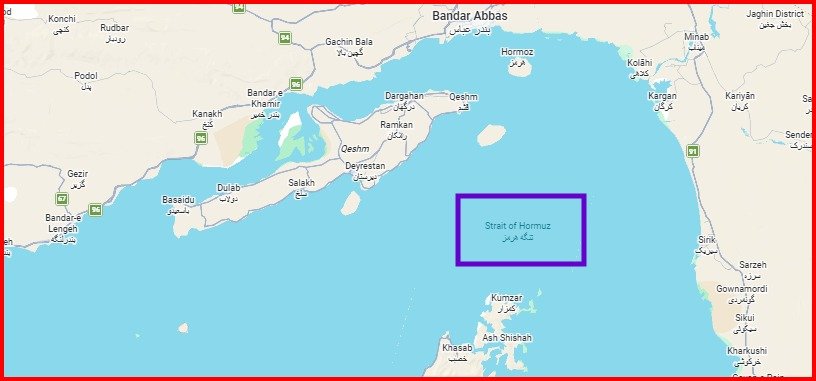
Beyond energy markets, the West Asia crisis has also begun to influence global logistics networks. The Persian Gulf region contains several strategic maritime corridors that connect Asian manufacturing hubs with markets in Europe, Africa, and the Americas.
Among the most critical is the Strait of Hormuz, a narrow passage that handles a substantial share of the world’s energy shipments and commercial trade. Heightened security risks in the region and around the Strait of Hormuz have increased caution among shipping companies and insurers.
Vessels travelling through the area may face higher insurance premiums due to war-risk coverage requirements. In some cases, shipping companies are considering alternate routes to reduce exposure to conflict zones and avoid the Strait of Hormuz.
These developments contribute to rising freight costs, longer delivery timelines, and increased uncertainty for global supply chains and the global textile industry. The textile industry, which relies heavily on precise delivery schedules to align with fashion seasons and retail cycles, is particularly sensitive to such disruptions.
Exporters may experience delays in receiving raw materials or shipping finished garments to international buyers. Retailers could face shortages or late arrivals of seasonal merchandise, affecting sales cycles. In a sector where timing is critical, even short disruptions in logistics can lead to financial losses and inventory management challenges.
West Asia as a Major Market for Textile and Fashion Imports:
While the region is widely recognised for its role in global energy markets, West Asia and the Gulf economies are also significant consumers of textiles and fashion products.
Countries like Saudi Arabia, the United Arab Emirates, Qatar, and Kuwait import large quantities of garments, fabrics, and home textile products each year, making them important markets for the global textile industry.
The Gulf region has developed into an important destination for international fashion brands as well as textile exporters. High disposable incomes, rapid urban development, and a strong retail culture contribute to sustained demand for imported textile products.
The region is also known for its appetite for premium and luxury fashion goods. In addition to modern fashion trends, demand is also driven by traditional attire, which often requires specialised fabrics and detailed textile craftsmanship.
Fabrics used for abayas, kanduras, and ceremonial garments create a steady market for exporters supplying high-quality materials.
The United Arab Emirates plays a particularly important role as a regional distribution hub. Many textile products imported into the UAE are re-exported to neighbouring countries across the Middle East and North Africa. This makes the country an essential link in the regional textile trade network.
However, geopolitical tensions and economic uncertainty can affect consumer sentiment and retail activity. If the conflict leads to reduced economic confidence or disruptions in trade flows near the Strait of Hormuz, textile imports into the region may slow, affecting exporters from Asia and Europe and the global textile industry.
Impact on Major Global Textile Industry Textile Exporting Countries
The global textile value chain is highly dependent on international trade, making exporting countries vulnerable to disruptions in logistics and energy markets.
Nations such as India, Bangladesh, Vietnam, China, and Turkey rely heavily on textile exports to sustain their manufacturing sectors. Rising oil prices and higher freight charges can increase export costs and reduce price competitiveness in global markets.
India, for instance, exports large volumes of garments, yarn, and home textiles to Gulf countries, making regional instability a concern for exporters in the global textile industry.
Smaller manufacturers and MSMEs in the textile sector may face greater challenges in absorbing rising logistics and raw material costs.
Long-Term Implications for the Global Textile Industry Supply Chain:
If geopolitical tensions continue, the global textile supply chain and the global textile industry may gradually adapt to reduce its exposure to regional instability.
Companies are increasingly recognising the importance of building more resilient and flexible sourcing networks. One likely outcome is greater supply chain diversification, where brands expand their sourcing bases across multiple countries rather than depending on a single region.
Another emerging trend is the development of regional manufacturing hubs, allowing companies to produce goods closer to key consumer markets and reduce reliance on long-distance shipping routes.
Over time, investments in energy-efficient technologies and sustainable textile production could also help reduce dependence on petroleum-based inputs, strengthening the industry’s resilience to energy price fluctuations within the global textile industry.
Conclusion:
The evolving West Asia crisis demonstrates how geopolitical events can quickly influence global industries. For the global textile industry, the effects are already being felt through rising energy prices, logistical uncertainties, and potential shifts in regional demand.
Higher oil prices are increasing the cost of synthetic fibres and manufacturing operations, while disruptions in shipping routes are raising freight costs and complicating delivery schedules. At the same time, the Gulf region’s importance as a consumer market means that economic uncertainty there could influence global textile trade patterns.
Although the long-term trajectory of the conflict remains uncertain, the situation highlights the need for stronger supply chain resilience within the textile sector and the global textile industry.
Manufacturers and exporters must remain adaptable, diversify sourcing strategies, and closely monitor geopolitical developments to navigate potential disruptions.
Ultimately, the crisis serves as a reminder that the global textile value chain is deeply interconnected with global trade routes, energy markets, and regional economic stability.
FAQs:
1. How does the West Asia crisis affect the global textile industry?
The crisis influences oil prices, shipping routes, and global trade, which can increase production costs and create logistical challenges for the global textile industry and textile manufacturers and exporters.
2. Why are oil prices important for the textile sector?
Many synthetic fibres, including polyester and nylon, are derived from petroleum products. Rising oil prices increase the cost of raw materials and manufacturing processes in the global textile industry.
3. Why is the Gulf region important for textile exporters?
Countries in the Gulf import significant volumes of fashion garments, home textiles, and luxury fabrics, making the region an important market for exporters from Asia and Europe.
4. Could the conflict reshape global textile supply chains?
Yes. Prolonged geopolitical tensions may encourage companies in the global textile industry to adopt diversified sourcing strategies, regional manufacturing hubs, and stronger supply chain risk management practices.
